
Online Community Services Courses
Discover the Pathways in Community Services
Community Services online courses help you build practical skills in communication, case support, cultural safety, and risk management. You will learn safe and ethical practices across community programs, giving you the expertise to step into meaningful and rewarding roles across diverse community settings.

Overview

Community Services Short Course

Certificate IV in Community Services

Diploma of Community Services

Advanced Diploma of Community Sector Management

Certificate IV in Chaplaincy and Pastoral Care

Crisis Intervention and Motivational Interviewing Short Course

Family and Domestic Violence and Anger Management Short Course
Career Outcomes
What careers could you be open to after studying this course?

Community Support Worker
Average salary: AU$70,000 to 80,000 per year.*
Provides direct client support, conducts needs assessments, and implements service responses aligned with organisational protocols.

Case Worker
Average salary: Around AU$91,500 per year*
Manages client cases, coordinates interventions, documents assessments, and ensures compliance with legislative and ethical requirements.

Community Development Manager
Average salary: AU$80,000 to $100,000 per year*
Engages with communities to assess needs, design programs, and support initiatives that strengthen social participation and wellbeing.

Care Team Leader
Average salary: AU$90,000 per year.*
Leads a team of care staff, oversees client care plans, ensures quality service delivery, and monitors risk within support environments.

Housing Manager
Average salary: AU$115,000 per year.*
Oversees the operations, tenancy management, compliance, and maintenance of social or community housing properties.

Family Services Coordinator
Average salary: AU$60,000 to 70,000 per year*
Assesses family needs, coordinates support services, and implements plans aimed at improving family functioning and wellbeing.
Community Services in Australia
Working in community services offers a defined career pathway shaped by sustained national demand. The sector supports a significant proportion of Australia’s workforce and continues to expand as service needs increase across multiple community based settings.
Key industry data includes:
- More than 967,000 people are currently employed in Community Services across Australia, reinforcing that the sector is established, recognised, and central to national service delivery (IBISWorld, 2024).
- Employment within the Community Services industry is projected to rise to 1,013,586 roles by 2025, indicating strong and ongoing demand for qualified professionals (IBISWorld, 2025).
- The sector recorded an average 7.1% growth rate between 2019 and 2024, confirming continuous expansion and increasing workforce needs across community based services (IBISWorld, 2024).
When you study community services you build technical competence in case coordination, support planning, crisis response, cultural safety, case management, compliance requirements and community-centred service delivery. Each role you undertake has the potential to contribute to improved outcomes for individuals, families, and communities.
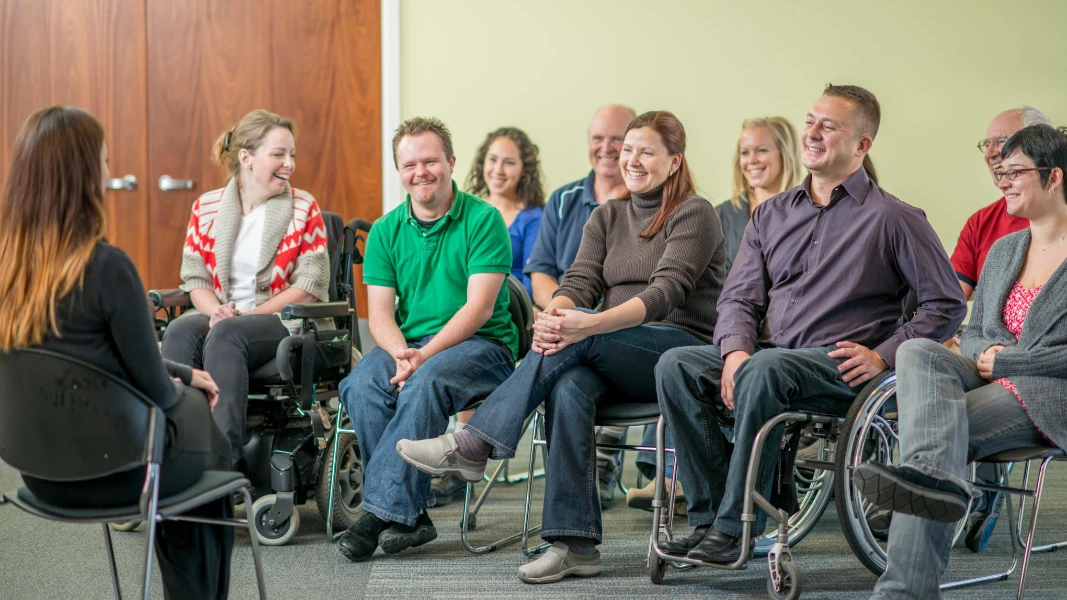
What Makes Studying With Us Unique
⭐ Empower Communities – Learn to develop programs that build resilience and inclusion for the community
⭐ Practical, Job-Ready Skills – Apply theory to real scenarios through work placement, gaining hands-on experience in community settings.
⭐ Expert Mentorship – Learn from trainers who’ve worked in youth services, mental health, and justice support; professionals who’ve walked the path you’re about to take.
⭐ Flexible Learning – Study online, with live evening Zoom classes, 1:1 trainer support, and flexible payment plans starting from $28 per week.

Skills You’ll Develop
Our nationally recognised qualifications in Community Services equip learners with the technical capability and applied frameworks needed to deliver safe, compliant, and evidence informed support across diverse service environments.
Throughout these programs, you will develop expertise and applied competence in:
- Structured Communication and Documentation - Execute professional communication, maintain accurate client records, and utilise reporting systems in accordance with organisational protocols.
- Crisis and Risk Response - Conduct structured risk assessments, implement safety interventions, and apply crisis management procedures consistent with sector standards.
- Service Program Design and Implementation - Contribute to program planning, apply needs analysis, and support delivery of targeted service responses.
- Trauma Informed and Mental Health Interventions - Apply trauma informed principles, recognise mental health presentations, and support clients using established intervention frameworks.
- Cultural Safety and Inclusive Practice Protocols - Apply culturally safe work practices and adhere to inclusive practice guidelines when supporting diverse populations.
- Ethical, Legislative, and Compliance Frameworks - Interpret legislation, apply ethical decision making models, and ensure adherence to regulatory and organisational compliance requirements.
These core skill areas equip learners to perform with precision, accountability, and professional consistency in community service roles.

Find the Right Path for You
If you are prepared to build capability and contribute to meaningful service outcomes, Hader Institute of Education provides three structured study options that support progression across the community services sector.
The Community Services Short Course introduces core foundations, including communication, cultural safety, ethical practice, mental health support, and working with diverse people. It establishes essential baseline knowledge for learners entering the field.
The CHC42021 Certificate IV in Community Services develops operational skills in assessment, case support, service delivery, documentation, and client centred practice, preparing learners for direct engagement within community based environments.
The CHC52025 Diploma of Community Services advances technical depth in case management, program coordination, evidence informed practice, leadership, and complex client support, equipping learners for higher responsibility roles.
The CHC62015 Advanced Diploma of Community Sector Management prepares you to lead services and organisations, including managing finances, risk, legal and ethical compliance, quality frameworks, work teams, and organisational change. It suits people in, or moving into, team leader and management roles, equipping learners for program, service, and operations management across the sector.
The Family and Domestic Violence and Anger Management Short Course builds skills for family violence support, including recognising and responding to domestic and family violence, responding to crisis situations, supporting responsible behaviour, and communicating in community services settings. Its four nationally recognised units lead to a Statement of Attainment. You study online over about three months, with assessor-led Zoom role plays.
The Crisis Intervention and Motivational Interviewing Short Course develops crisis response and brief intervention skills, including recognising and responding to people in crisis and using motivational interviewing techniques with someone who is considering change. Its two nationally recognised units lead to a Statement of Attainment. You study online over about two months, with assessor-led Zoom role plays.
The Community Services Short Course, Certificate IV, Diploma and Advanced Diploma build in sequence, guiding you from foundational understanding to advanced capability within Australia’s expanding community services workforce. The two skills courses sit alongside that pathway: take one before you enrol, or add one while you work. Neither is a specialist family violence practitioner or crisis counsellor qualification, and neither includes work placement. Some of their units credit toward the CHC51015 Diploma of Counselling.

(AQF Level 4)
(AQF Level 5)
Residential Support Worker
Assistant Community Development Officer
Youth Worker
Mental Health Support Worker
Domestic Violence Worker
Case Worker Community Services
Outreach Officer
Welfare Support Worker
Health Education Officer
Community Legal Officer
Welfare Rights Worker
Care Team Leader
Family Support Worker
Housing Manager
Community Services Coordinator
Family Support Worker
Community Development Officer
Community Engagement Officer
Please note; Salary and career outcomes are indicative only, drawn from advertised roles at a point in time, and are subject to change. They are a guide, not a guarantee of employment or earnings.
Ready to make a difference?
Begin your Community Services career with Hader Institute of Education, trusted by thousands across Australia. Develop skills in communication, advocacy and mental health support, and gain experience that prepares you for a future where your work makes a difference.

Frequently Asked Questions (FAQs)
How does community services work improve lives and strengthen communities?
Community services work is about helping people overcome tough life challenges. It supports individuals, families, and communities dealing with issues like homelessness, mental health, and family violence. The goal is to improve wellbeing, build resilience, and create safer, more connected lives. This is done through practical support, advocacy, crisis response, and person centred care.
Professionals in this field need strong communication skills, empathy, cultural awareness, and ethical practice. They help people navigate complex situations and link them to essential services that promote stability and independence.
Are your community services courses nationally recognised?
Yes! All Community Services qualifications offered by Hader Institute of Education, including the Short Course, Certificate IV (CHC42021), and Diploma (CHC52025), are nationally recognised and accredited under the Australian Qualifications Framework (AQF).
Can I study community services online in Australia?
Absolutely. All programs are delivered online using a flexible model that includes:
- Self-paced study modules
- Weekly Zoom classes
- Pre-recorded learning sessions
- Trainer support and real-world case studies
What are the entry requirements for a course in community services?
To enrol, you must be at least 18 years old, have completed Year 12 or successfully completed a literacy and numeracy quiz, have basic computer skills, and have reliable internet access. Please refer to the specific qualification for full details.
What jobs can I expect after community courses online?
Online community courses can lead to roles such as:
- Community Support Worker
- Youth Worker
- Residential Support Worker
- Case Worker, and Mental Health Support Worker
These positions are available in community centres, mental health services, outreach programs, residential facilities, and homelessness services.
Does the course include any practical work placement?
Yes, work placement is required for:
- Diploma of Community Services: 200 hours
Hader Institute of Education provides placement support, including supervision and progress tracking by a dedicated assessor.
How much can I make per hour after community courses online?
Entry-level community workers in Australia earn around $24.95 per hour, according to the Fair Work Ombudsman. This amounts to $948 per week, with many community service roles matching or exceeding this rate based on experience and qualifications.
The average yearly salary for community support workers is between $70,000 and $80,000.
Source: SEEK Career Advice – Community Support Worker Salary
How much do community courses online cost?
Short courses online (Community Services Short Course) at Hader Institute of Education cost as little as $28 per week. Our CHC42021 Certificate IV in Community Services costs from $48 per week, and our CHC52025 Diploma of Community Services from $77 per week, all interest-free. Flexible payment options include Study Now, Pay Later and various weekly or upfront plans.
Our flexible payment options include Study Now, Pay Later via PayRight or Elevant, upfront payments by EFT or credit card, and weekly or fortnightly plans through Student Pay or Debit Success.
Looking To Transform Your Career? Get Remarkable Community Courses Online
Community courses online can sound like the answer when you want a new direction but can’t step away from work, family, or other responsibilities. Still, many people pause, unsure if pursuing online community care studies will feel manageable or even worth it.
At Hader Institute of Education, we’ve made sure it is. Our nationally recognised training and courses online are built for people who want practical skills, job-ready outcomes, and a learning pace that matches real life.
In the next sections, you’ll see how our courses work, who they’re for, and the real-world value they bring.
Hader Institute of Education offers nationally recognised community learning.
At Hader Institute of Education, we make sure your effort leads to real opportunities. Our nationally recognised community care course and other programs are built to match current industry standards. This means your achievements will always be valued, no matter where your experience leads you across the country.
Plus, our community courses online are designed to be accessible, no matter what your week looks like. Whether you’re balancing work, family, or other responsibilities, our structured courses allow you to set your own study pace. We also have weekly Zoom sessions, and if you can’t attend live, you can catch up with the recordings we provide.
What’s more, our training blends practical tasks, interactive assessments, and real-life case studies from the sector. With our community courses online and other short courses, you’ll grow skills that make a difference in real conversations, real workplaces, and real communities.
You have pathways when it comes to community service studies.
The Community Services Short Course gives you a supportive step into the sector.
If you’re new to this area of study, our 12-week Community Services Short Course offers a good way to study community support work online. You’ll focus on practical skills like communication, cultural awareness, and basic client support.
Many students use this course as a step towards the CHC42021 Certificate IV in Community Services, especially if they’re looking to gain skills that usually come with an online care worker course or community engagement course.
The CHC42021 Certificate IV in Community Services opens doors to impactful community roles.
Our CHC42021 Certificate IV in Community Services at Hader Institute of Education helps build your skills for direct support roles. This 12-month course covers advocacy, casework, and group support in ways that prepare you for real-life challenges.
This community support training is also part of a nationally recognised pathway that connects with roles such as Women’s Health Educator, Outreach Officer, Community Support Worker, and more.
Many students use this course to pursue broader roles in youth and community services or continue their studies through a community services diploma (CHC52025 Diploma of Community Services) or online social work diploma focused on long-term impact in human-centred work.
The CHC52025 Diploma of Community Services prepares you for leadership and advanced practice.
Our CHC52025 Diploma of Community Services goes deeper into leadership, team supervision, and case management. This 18-month qualification includes 200 hours of placement so you can apply what you learn in real settings.
For many learners, this qualification becomes a springboard into diploma career opportunities. With our course, you’ll learn how to lead teams, manage cases, and make a change that lasts, taught by caring mentors and supported by an understanding cohort of peers.
Entry into community services focuses on practical skills and personal growth.
Compassion, communication, and resilience are the soft skills that help you thrive.
Community work relies on people-first qualities. Traits like compassion, communication, and resilience help you connect with others and respond to real-world needs.
You’ll learn how to listen actively, build trust, and speak clearly with a wide range of people, whether you’re supporting a client one-on-one or working as part of a team. These strengths are essential if you’re exploring how to become a community services case manager or want to grow in other frontline roles.
Our entry requirements make learning accessible to students from many backgrounds.
Entry into our programs is designed to be accessible. To enrol, you’ll need:
- To be at least 18 years old
- To be an Australian citizen or permanent resident
- A Year 12 certificate or completion of a short language and numeracy quiz
- Basic computer skills
- A computer and reliable internet connection
These requirements help ensure you can fully engage with your learning. Please note that some programs might have different requirements, though, so be sure to check the course page for more specific information.
Work placement, job readiness, and learner support set Hader Institute of Education apart.
Through our partnership with SkilTrak, you’ll get a 200-hour work placement if you take the CHC52025 Diploma of Community Services course to ensure you’re ready to take on roles after finishing the program.
Plus, we have a Job-Ready Program that’s designed to help you get employment by helping you through resume reformatting, mock interviews, and guidance on using job-seeking platforms like LinkedIn and SEEK.
Plus, you’re never left to figure things out alone. Our Learner Support Team can guide you through your studies and help you manage any bumps along the way. This means you’ll have access to:
- Regular check-ins and orientation calls
- One-on-one support from trainers and mentors
- Academic advice and feedback
- Help with tech and admin questions
When you take online courses with payment plans with us, whether that’s an online course for community development or one similar to a human services course, we’ll make sure you feel connected, supported, and ready to keep going.
Hader Institute of Education: Learning that puts people at the centre
There’s no single path into community services. Some arrive with lived experience. Others come with purpose but no plan yet.
At Hader Institute of Education, we make sure your background isn’t a barrier. Whether you’re returning to study or starting fresh, pursuing a Diploma in Mental Health (CHC53315 Diploma of Mental Health), or exploring other community services courses, we’ve created a space where education fits into life, not the other way around.
Because everyone deserves to feel included, connected, and empowered to chase their dreams, starting with you. Apply online today and take the first step towards something that lasts.
Not sure which course is for you?
Take this short quiz for a course guide.
What our students say about us


Steven Dodman

Kara Galea

Kimmi Ryan

Beebree Shilling

Kayleen Clayton

Daine Spencer

Tide martino

RAINA. T