Online Criminology Courses

Build Your Career in Criminal Behaviour and Forensic Science

Criminal Psychology and Forensic Investigation Courses develop your practical skills in behavioural analysis, forensic techniques, evidence review, and clear legal communication. You will learn ethical practice for justice settings, opening pathways into justice and community focused roles.

Overview

Career Outcomes

What careers could you be open to after studying this course?

Behavioural Support Officer

Average salary: AU$70,000 to 85,000 per year

Supports clients displaying challenging behaviours, applies behavioural strategies, conducts assessments, and documents case patterns.

Youth Justice Support Worker

Average salary: AU$75,000 to 95,000 per year*

Assists young offenders, facilitates rehabilitation planning, engages with families, and supports court and custodial processes.

Crime Scene Support Officer

Average salary: AU$80,000 to 100,000 per year*

Assists forensic teams in evidence collection, scene security, documentation, and photography to support investigations.

Legal Administrative Support

Average salary: AU$60,000 to 80,000 per year*

Provides procedural support in police, court, or community agencies including file management, client liaison, and document preparation.
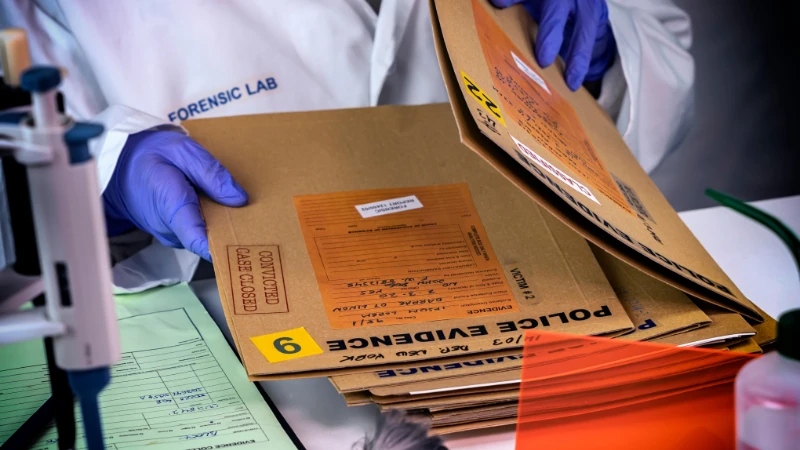
Forensic Laboratory Assistant

Average salary: AU$65,000 to 85,000 per year

Supports laboratory technicians with evidence handling, sample preparation, data recording, and scientific processing.

Intelligence Support or Profiling Assistant

Average salary: AU$85,000 to 110,000 per year*

Assists with data collection, behavioural pattern analysis, risk assessments, and intelligence reporting within justice and investigative teams.

Criminal Psychology and Forensic Studies in Australia

Working in criminal psychology and forensic investigation offers a well defined career pathway shaped by national demand. These fields support Australia’s legal and community sectors through behavioural assessment, scientific investigation, and evidence based interventions.

Key industry data includes:

  • There are currently 665 criminal justice and forensic science jobs advertised across Australia, showing real active demand for investigative, support, intelligence and analysis roles. SEEK
  • There are 265 forensic science related job opportunities listed nationally, highlighting the ongoing need for science based evidence and investigation roles beyond law enforcement. (SEEK)
  • National crime and justice reporting shows there were 340,681 offenders proceeded against by police in 2023-24, underlining the scale of criminal justice activity that supports strong employment in justice and legal support services. (abs.gov.au)

These fields continue to evolve, requiring learners to acquire strong technical capability, behavioural knowledge, and ethical reasoning to contribute to better outcomes for individuals and communities.

What Makes Studying With Us Unique

Empower Communities – Learn to develop programs that build resilience and inclusion for the community

Practical, Job-Ready Skills – Apply theory to real scenarios through hands-on experience in community settings.

Expert Mentorship – Learn from trainers who’ve worked in youth services, mental health, and justice support; professionals who’ve walked the path you’re about to take.

Flexible Learning – Study online, with live evening Zoom classes, 1:1 trainer support, and flexible payment plans starting from $28 per week.

Skills You’ll Develop

Our criminal psychology and forensic investigation courses give learners capability in behavioural science, forensic procedures, and legal reasoning for justice and community contexts.

Across both courses you will learn the:

  • Structured forensic communication and documentation - Record clear case notes, behavioural summaries, and reports that meet organisational and legal requirements.
  • Behavioural and criminological assessment - Use core psychological theories, criminology models, and risk tools to interpret offending patterns and guide intervention planning.
  • Evidence acquisition and analysis - Apply recognised collection methods, chain of custody principles, and basic laboratory processes to capture, preserve, and interpret physical and digital traces.
  • Legal and courtroom practice - Use legal terminology, understand court structures, and prepare documentation that supports solicitors, counsel, and investigative agencies.
  • Ethical, cultural, and collaborative practice - Apply ethical decision frameworks, cultural safety principles, and interagency collaboration strategies to support accountable, trauma informed justice responses.

These core skills help you perform with accuracy, professional judgement, and consistency in criminal psychology and forensic support roles, creating impact and encouraging learners and students every day.

Find the Right Path for You

If you are ready to build capability and contribute to meaningful outcomes, Hader Institute of Education offers two structured study options that prepare learners for progression across psychology, criminology, forensic science, and investigative services.

Criminal Psychology Short Course - Provides core behavioural foundations including mental illness, aggression, gender crime, youth crime, courtroom psychology, and punishment. It builds practical understanding for learners entering behavioural support or justice roles.

Forensic Science and Criminal Investigations Essentials Course - Builds technical depth in forensic science, evidence collection, criminology, criminal profiling, and legal terminology. Learners gain an applied understanding of modern investigative practices and scientific reasoning.

Each qualification supports future study pathways while strengthening capability within Australia’s expanding justice and forensic workforce.

Youth Work Short Course
CHC42021 Certificate IV in Youth Work
CHC50425 Diploma of Youth Work
Mode of Study
100% Online, Self-Paced
Online with Trainer Support, Live Sessions, and Practical Learning
Duration
12 Weeks
12 Months Comprehensive, Career-Focused Learning
17 Months Comprehensive, Career-Focused Learning
Qualification Level
Short Course (Introductory Program)
Nationally Recognised Qualification (AQF Level 4)
Nationally Recognised (AQF Level 5)
Units Covered
8 Key Introductory Units
15 Core and 2 Elective Units
16 Core and 5 Elective Units
Certification
Statement of Attainment
Certificate IV Qualification
Diploma Qualification
Work Placement
Not Required
80 Hours of Structured Work Placement
100 Hours of Structured Work Placement
Average Salary Outcomes
Gain entry-level experience with roles averaging $60,000–$70,000 per year. Excellent for testing your passion before pursuing full accreditation.
Qualified Youth Workers earn an average of $75,000 to $85,000 per year, with experienced professionals reaching $95,000+ annually.
$90,000–$110,000+ per year for leadership, coordination, and management roles in community and youth services.
Career Roles
Youth Mentor
Youth Activity Coordinator
Community Support Assistant
Volunteer Program Worker
Entry-Level Youth Support Officer
Youth Worker
Youth Justice Officer
Community Development Worker
Addiction Counsellor
Child Protection Worker
Case Manager or Support Coordinator
Youth Outreach Specialist
Youth Program Manager
Youth and Family Services Coordinator
Community Development Manager
Youth Housing or Mental Health Manager
Youth Services Leader
Employment Demand
Great for gaining entry into community services and testing your interest in the sector.
High National Demand: Over 8,600 Youth Worker positions currently open (Seek, 2025)
16,200 professionals already employed across Australia (Jobs and Skills Australia, 2025).
Study Support
Self-paced content and online learning resources.
Live trainer-led classes, mentoring, and dedicated student support to help you graduate career-ready and confident.
Personalised progress mentoring, live classes, skills practice sessions, and dedicated trainer support
Community Services Short Course
CHC42021 Certificate IV in Community Services
CHC52025 Diploma of Community Services
Mode of Study
100% Online, Self-Paced
Online with Trainer Support, Live Sessions, and Practical Learning
Duration
12 Weeks
12 Months Comprehensive, Career-Focused Learning
17 Months Comprehensive, Career-Focused Learning
Qualification Level
Short Course (Introductory Program)
Nationally Recognised Qualification
(AQF Level 4)
Nationally Recognised Qualification
(AQF Level 5)
Units Covered
8 Key Introductory Units
7 Core and 8 Elective Units
12 Core and 8 Elective Units
Certification
Statement of Attainment
Certificate IV Qualification
Diploma Qualification
Work Placement
Not Required
Not Required
100 Hours of Structured Work Placement
Average Salary Outcomes
Provides foundational capability for roles generally ranging from AU$60,000 to AU$70,000 depending on organisation and level of responsibility
Community Services Workers commonly earn AU$70,000 to AU$80,000 depending on role, location, and experience
Leadership and coordination level roles often range AU$90,000 to AU$110,000+ across community service programs
Career Roles
Neighbourhood Centre or Community Centre Worker
Residential Support Worker
Assistant Community Development Officer
Youth Worker
Mental Health Support Worker
Community Support Worker
Domestic Violence Worker
Case Worker Community Services
Outreach Officer
Welfare Support Worker
Health Education Officer
Community Legal Officer
Welfare Rights Worker
Community Care Manager
Care Team Leader
Family Support Worker
Housing Manager
Community Services Coordinator
Family Support Worker
Community Development Officer
Community Engagement Officer
Employment Demand
Strong sector entry demand across community and social services
Broad workforce demand across case support, family services, housing, and community programs
Expanding national demand for advanced case management, program coordination, and leadership roles across community services
Study Support
Self paced content and online learning resources
Live trainer led sessions, 1 to 1 mentoring, structured study support, and monthly check-ins
Personalised progress mentoring, skills practice sessions, live classes, and dedicated trainer and support learner team
Mental Health Short Course
CHC43315 Certificate IV in Mental Health
CHC53315 Diploma of Mental Health
Mode of Study
100% Online, Self-Paced
Online with Trainer Support, Live Sessions, and Practical Learning
Duration
12 Weeks
12 Months Comprehensive, Career-Focused Learning
17 Months Comprehensive, Career-Focused Learning
Qualification Level
Short Course (Introductory Program)
Nationally Recognised Qualification
(AQF Level 4)
Nationally Recognised Qualification
(AQF Level 5)
Units Covered
8 Key Introductory Units
11 Core and 4 Elective Units
15 Core and 5 Elective Units
Certification
Statement of Attainment
Certificate IV Qualification
Diploma Qualification
Work Placement
Not Required
80 Hours of Structured Work Placement
160 Hours of Structured Work Placement
Average Salary Outcomes
Provides foundational capability for entry level mental health support roles, with many positions typically ranging from about AU$60,000 to AU$70,000 per year, depending on the organisation and responsibilities
Advanced coordination, case management, and leadership roles in mental health frequently range from AU$90,000 to around AU$110,000 per year across community and service based programs, particularly for experienced practitioners.
Career Roles
Mental Health Support Worker
Community Support Worker
Peer Support Worker
Mental Health Outreach Worker
Community Rehabilitation and Support Worker
Community Support Worker
Mental Health Intake Officer
Mental Health Outreach Worker
Mental Health Rehabilitation Support Worker
Mental Health Worker
Mental Health Services
Rehabilitation Counsellor
Community Rehabilitation and Support Worker
Mental Health Outreach Worker
Mental Health Rehabilitation Support Worker
Employment Demand
Strong entry level demand across community mental health and social support services
Broad workforce demand across recovery support, psychosocial support, housing, and community mental health programs
Expanding national demand for advanced mental health case management, service coordination, and leadership roles across community settings
Study Support
Self paced content and online learning resources
Live trainer led sessions, 1 to 1 mentoring, structured study support, and monthly check-ins
Personalised progress mentoring, skills practice sessions, live classes, and dedicated trainer and support learner team
Alcohol and Other Drugs Short Course
CHC43215 Certificate IV in Alcohol and Other Drugs
CHC53215 Diploma of Alcohol and Other Drugs
Mode of Study
100% Online, Self-Paced
Online with Trainer Support, Live Sessions, and Practical Learning
Duration
12 Weeks
12 Months Comprehensive, Career-Focused Learning
17 Months Comprehensive, Career-Focused Learning
Qualification Level
Short Course (Introductory Program)
Nationally Recognised Qualification
(AQF Level 4)
Nationally Recognised Qualification
(AQF Level 5)
Units Covered
8 Key Introductory Units
12 Core and 5 Elective Units
16 Core and 6 Elective Units
Certification
Statement of Attainment
Certificate IV Qualification
Diploma Qualification
Work Placement
Not Required
Not Required
Not Required
Average Salary Outcomes
Provides foundational capability for entry level AOD roles, with earnings commonly ranging from AU$60,000 to AU$70,000 depending on organisation and responsibilities.
AOD workers often earn AU$70,000 to AU$85,000, influenced by role type, service setting and experience.
Specialist and leadership level roles in AOD and community health often range from AU$90,000 to AU$110,000+, especially in case management, counselling and program coordination roles.
Career Roles
AOD Support Worker
Community Support Worker
Outreach Worker
Mental Health Support Worker
Crisis Intervention Support
AOD Worker
Detoxification Support Worker
Case Worker
Community Outreach Officer
Wellbeing Support Worker
Advocacy and Support Assistant
Alcohol and Other Drugs Counsellor
Case Manager
Recovery Program Facilitator
Dual Diagnosis Practitioner
Community Program Coordinator
Wellbeing and Support Leader
Employment Demand
Strong demand for entry level support roles across AOD, mental health, residential services and outreach programs.
Broad workforce demand across AOD case support, withdrawal programs, crisis intervention, community health and recovery services.
Growing national demand for advanced case management, counselling, relapse prevention, program coordination and leadership positions across the alcohol and other drugs sector.
Study Support
Self paced content and online learning resources
Live trainer led sessions, 1 to 1 mentoring, structured study support, and monthly check-ins
Personalised progress mentoring, skills practice sessions, live classes, and dedicated trainer and support learner team
Criminal Psychology Short Course
Forensic Science and Criminal Investigations Essentials Course
Psychology, Crime and Law Advanced Course
Mode of Study
100% Online, Self-Paced
Duration
12 Weeks
12 Months Comprehensive, Career-Focused Learning
Qualification Level
Recognised and accredited by the International Approval And Registration Centre
Units Covered
2 Modules and 19 Units
3 Modules and 28 Units
5 Modules and 41 Units
Certification
Certificate of Completion
Work Placement
Not Required
Not Required
Not Required
Average Salary Outcomes
Builds behavioural and justice foundations for roles such as youth justice worker and behaviour support practitioner, where salaries commonly range from AU$75,000 to AU$95,000 per year
Supports pathways into roles such as forensic science technician and crime scene investigator, with typical earnings from around AU$85,000 to AU$115,000 per year based on seniority and work setting.
Explore roles such as legal administrative support, crime scene support officer or intelligence support analyst with Australian salary ranges commonly between $65,000 and $120,000, depending on experience and sector
Career Roles
Youth Justice Support Worker
Behavioural Support Officer
Client Liaison or Advocacy Assistant
Community Outreach or Social Services Officer
Forensic or Legal Administrative Support
Forensic Laboratory Assistant
Crime Scene Support Officer
Legal or Police Administrative Support
Intelligence Analyst (Entry-Level)
Journalism or Research Assistant
Intelligence Support Analyst
Legal or Police Administrative Support
Forensic Laboratory Assistant
Crime Scene Support Officer
Journalism or Research Assistant (crime and law reporting)
Employment Demand
Strong demand for entry level behavioural support, youth justice, corrections, and community outreach roles across court, custodial, and social service settings.
Broad workforce growth in forensic and investigative support, crime scene assistance, legal administration, and intelligence analysis across policing, justice, and regulatory agencies.
Growing demand across justice, legal, investigative, and regulatory sectors for professionals with strong understanding of criminal behaviour, forensic processes, and legal frameworks.
Study Support
Self paced content and online learning resources
Dual Certificate IV in Mental Health and Alcohol and Other Drugs
Dual Certificate IV in Community Services and Youth Work
Mode of Study
Online with Trainer Support, Live Sessions, and Practical Learning
Duration
18 Months Comprehensive, Career-Focused Learning
16 Months Comprehensive, Career-Focused Learning
Qualification Level
Nationally Recognised Qualifications
(AQF Level 4)
Nationally Recognised Qualifications
(AQF Level 4)
Units Covered
CHC43315 Certificate IV in Mental Health with 11 core units and 1 elective units
CHC43215 Certificate IV in Alcohol and Other Drugs with 12 core units and 3 elective units, delivered in a single integrated dual study plan.
CHC42021 Certificate IV in Community Services with 7 core units and 4 elective units
CHC40421 Certificate IV in Youth Work with 15 core units and 2 elective units, combined into one coordinated dual program.
Certification
Certificate IV Qualifications
Work Placement
80 Hours of Structured Work Placement
Average Salary Outcomes
Typical roles such as mental health support worker, community support worker and alcohol and drugs worker commonly range from around AU$60,000 to AU$95,000 per year depending on role, organisation and experience.
Typical roles such as youth worker, case worker, welfare support worker and community support worker often range from around AU$70,000 to AU$105,000 per year depending on setting and experience.
Career Roles
Mental health support worker
Community rehabilitation and support worker
Alcohol and drugs worker
Drug and alcohol counsellor
Detoxification worker
Mental health intake officer
Mental health outreach worker
Case worker
Youth worker
Youth outreach officer
Youth program facilitator
Community support worker
Case worker
Outreach officer
Information and referral worker
Welfare support worker
Employment Demand
Strong national demand for mental health and alcohol and other drugs workers, supported by growth in treatment episodes and many roles advertised across Australian employment platforms.
Ongoing growth in youth and community services roles, with thousands of vacancies advertised nationally and positive workforce projections across welfare and community sectors.
Study Support
Live trainer led sessions, 1 to 1 mentoring, structured study support, and monthly check-ins

Ready to make a difference?

Frequently Asked Questions (FAQs)

No items found.

Not sure which course is for you?

Take this short quiz for a course guide.

What our students say about us

"Shira who is a Student Recruiter working at Hader Institute of Education was extremely helpful in assisting me pick the right course that I could see myself completing and starting my carer in Youth Work. Great experience, I highly recommend Hader Institute of Education."

Steven Dodman

"Trish has been a fantastic resource and support so far in my learning journey, always offering help when needed. She is very detailed and clear with explaining topics and is very much appreciated."

Kara Galea

"I was in two minds whether to go with TAFE or Hader Institute for my cert IV in youth work and after talking with Eric it was a very easy decision to choose Hader."

Kimmi Ryan

"It was a pleasure to enrol at Hader today. Thankyou Bernard for making the process pleasant and easy.! Excited to start my studies ☺️."

Beebree Shilling

"Very professional experience so far. Great communication and a nice friendly approach is refreshing and helps put you at ease when making such a big decision and change."

Kayleen Clayton

"The course has been thorough and very informative. I encourage all people looking to study youth work to consider the shader Institute."

Daine Spencer

"I love all my teachers but you were so engaging and really catered to my learning style. Thank you!!!"

Tide martino

"They were welcoming from get go, great customer service, very aware and understanding, straight forward with guidance, reassurance and polite with all of the above. I felt no pressure at all, all my questions were answered with optional paths."

RAINA. T

Contact Us

Study online with us today!

info@haderinstitute.edu.au
(03) 8362 3113
G03, 615 Dandenong Road, Armadale 3144 VIC
Thank you! Your submission has been received!
Oops! Something went wrong while submitting the form.